How Shockwave Therapy Helps Athletes Recover Faster
Professional and amateur athletes are turning to shockwave therapy for faster recovery. Learn how this treatment accelerates healing.
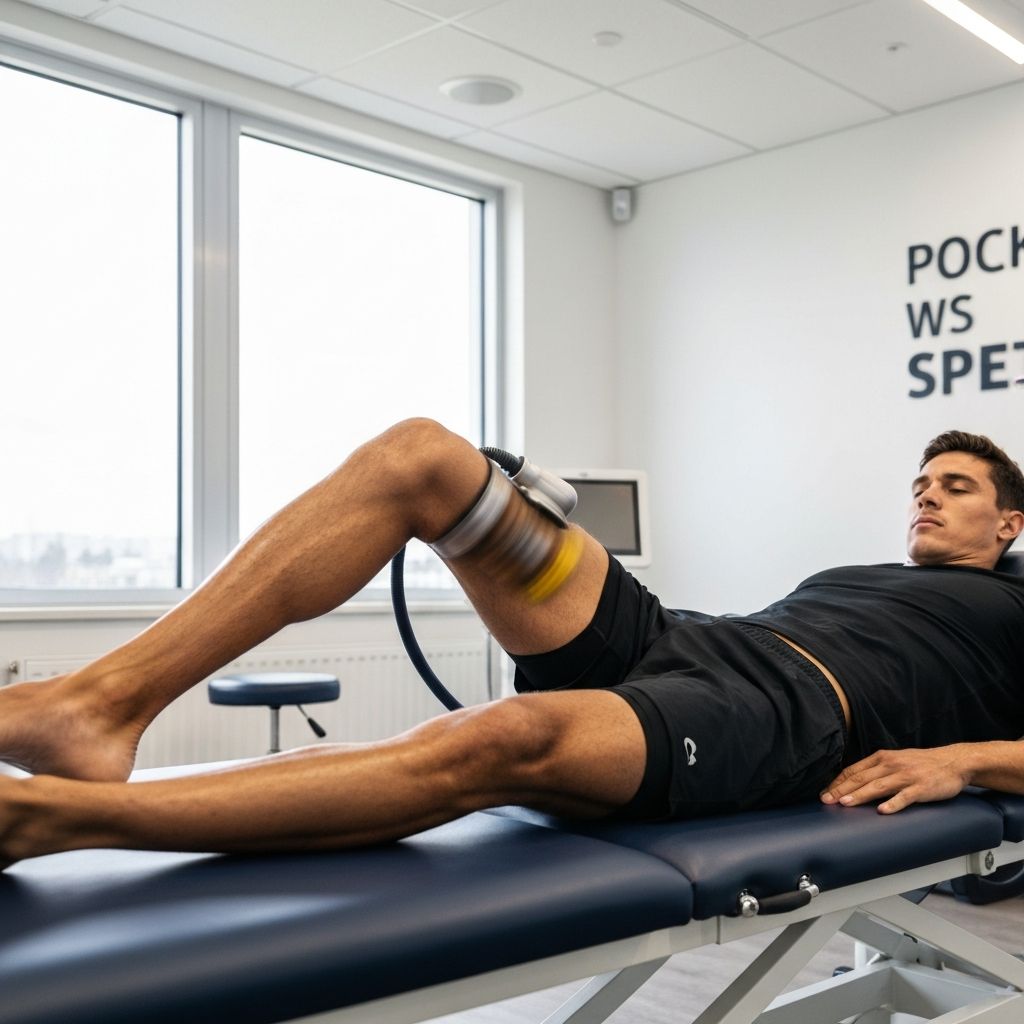
In the competitive world of sports, recovery time can make the difference between winning and losing. That's why more athletes than ever are turning to shockwave therapy as a key component of their recovery and performance optimization programs.
Athletes are particularly susceptible to overuse injuries, tendon problems, and muscle strains. Traditional treatments like rest, ice, and physical therapy can take weeks or even months to produce results. Shockwave therapy accelerates this timeline by directly stimulating the body's repair mechanisms.
Professional sports teams across various leagues now include shockwave therapy as part of their standard treatment protocols. From NFL football players to Olympic track athletes, the technology has proven effective for treating common sports injuries including patellar tendinitis (jumper's knee), Achilles tendinopathy, hamstring injuries, and rotator cuff problems.
One of the key advantages for athletes is the minimal downtime. Unlike surgery, which can sideline an athlete for months, shockwave therapy allows for continued training with some modifications. Most athletes can maintain their fitness levels while undergoing treatment, returning to full activity much sooner.
The treatment also helps prevent future injuries by improving tissue quality and flexibility. By addressing areas of chronic tension or early-stage damage before they become serious problems, athletes can extend their careers and maintain peak performance.
Many athletes incorporate shockwave therapy into their regular maintenance routines, using it proactively to keep their bodies in optimal condition. This preventive approach has become especially popular among endurance athletes and those in high-impact sports.